
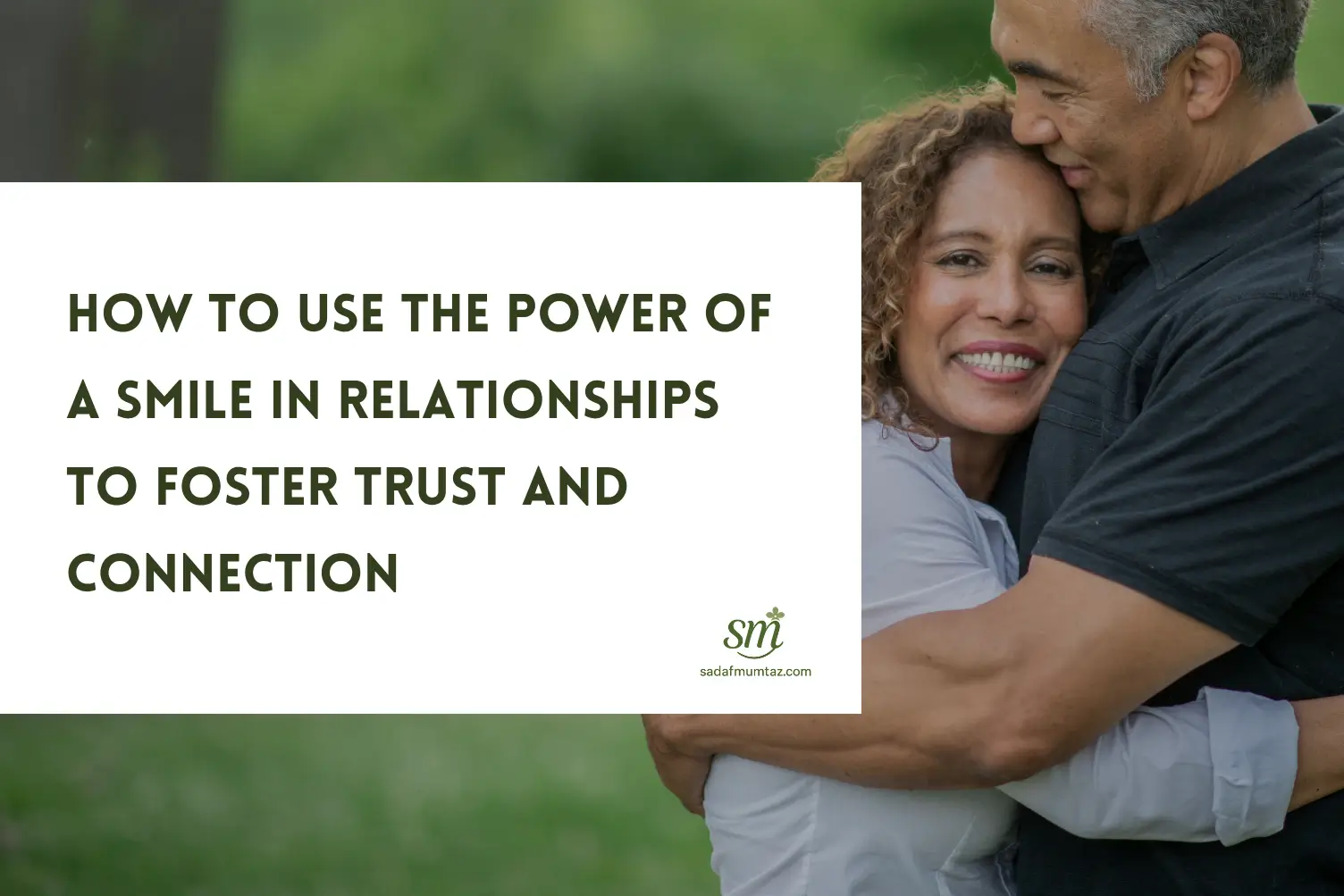
Smiling is one of the most powerful, yet often underestimated, tools in human interaction. It is simple, universal, and free. But the impact of a smile on relationships is profound. People who smile more often are consistently better at building strong, lasting relationships-whether in their personal lives, at work, or in social settings. Why? Because smiling has a positive ripple effect that instantly fosters trust, warmth, and genuine connection.
In this guide, we will explore nine core reasons why people who use the power of a smile in relationships build stronger bonds and how you can harness this simple shift to strengthen your own connections and attract positive energy.
9 Reasons Why People Who Smile More Often Have Stronger Relationships
The act of smiling is a direct, non-verbal signal that you are safe, welcoming, and open to engagement. This emotional transparency is a key element in creating lasting security.

1. Smiling Creates a Positive First Impression
First impressions are crucial in any relationship. Whether you are meeting someone for the first time at a social gathering or engaging with a potential client or colleague, a smile can make all the difference. People are naturally drawn to individuals who smile because it signals warmth, friendliness, and openness.
Breaking Down Social Barriers
A smile immediately makes you more approachable, helping to break down social barriers and encouraging positive interaction. When you smile, you are conveying non-verbal signals that make others feel comfortable and welcome. This positive first impression is often the first step toward building a strong, trusting relationship, making the power of a smile in relationships highly valuable.
2. Smiling Builds Trust and Affinity
Trust is the foundation of any strong relationship, and a smile plays a crucial role in building that trust. When someone smiles at you, it triggers a powerful sense of reassurance and safety. People who smile often are consistently perceived as more trustworthy and approachable.
The Signal of Safety
This is because smiling is an indicator of positive emotions like kindness and empathy, which naturally attract others. In professional relationships, smiling can foster trust with colleagues, superiors, and clients, leading to better teamwork, more productive conversations, and stronger professional bonds. Similarly, in romantic and personal relationships, a smile can help create an atmosphere of openness, allowing both partners to feel secure and valued.
3. Smiling Enhances Emotional Connection
A smile is a non-verbal expression of warmth, kindness, and empathy. When you smile at someone, it shows them that you are happy to be around them, which can instantly deepen the emotional connection between the two of you.
Emotional Availability and Affection
People who smile often are seen as more emotionally available and approachable, making it easier to form lasting, meaningful relationships. In romantic relationships, smiling plays an essential role in expressing affection and care. A consistent smile can reinforce feelings of love, appreciation, and admiration, making both partners feel more connected and emotionally supported. In friendships and family relationships, smiles help to strengthen bonds by conveying empathy, understanding, and mutual respect.
4. Smiling Reduces Tension and Promotes Positivity
Life is not always smooth sailing, and relationships inevitably face challenges and conflicts. However, smiling during moments of tension or disagreement can help to de-escalate the situation and create a more positive atmosphere.
The Emotional Circuit Breaker
When someone smiles during a challenging conversation, it signals calmness and a willingness to approach the situation with a clear mind and open heart. In difficult situations, a smile can act as a subtle reminder to focus on solutions rather than problems, making it easier to resolve conflicts in a healthy and constructive way. The ability to smile through adversity shows emotional resilience, a key trait of people who maintain strong relationships even during tough times.
5. Smiling Enhances Communication
Effective communication is one of the most important aspects of any relationship, and smiling can improve communication by making it more open and inviting. When you smile, you convey warmth, which makes the other person feel more comfortable sharing their thoughts and feelings.
Fostering Open Dialogue
A smile can ease the tension during serious conversations, making it easier for people to express themselves freely and honestly. In workplace settings, smiling can improve interactions with colleagues, clients, and business partners by creating an environment of mutual respect and openness. In personal relationships, smiling fosters a positive space where both parties feel heard and valued. This kind of communication, grounded in warmth and positivity, helps strengthen bonds and build deeper connections.
6. Smiling Is Contagious: Creating a Ripple Effect
One of the most powerful things about smiling is that it is contagious. When you smile at someone, they are more likely to smile back. This creates a ripple effect of positivity that spreads through the interaction and often beyond.
Uplifting the Social Environment
Smiling can lift the mood of an entire group, whether you are in a family gathering, a meeting with coworkers, or just having a casual conversation with a friend. When you create a positive environment by smiling, you attract others who are also positive and open, helping to create a supportive and uplifting social circle. People who smile often not only build stronger relationships with individuals but also contribute to a greater sense of community and connection among groups.
7. Smiling Shows Confidence and Self-Assurance
Smiling not only makes others feel at ease, but it can also project confidence and self-assurance. When you smile, you signal that you are comfortable in your own skin, and that confidence is incredibly attractive to others. People are naturally drawn to individuals who exude self-confidence, as it makes them feel more secure in the relationship.
Attraction and Mutual Comfort
In professional settings, a confident smile can help you make a lasting impression, whether in interviews, presentations, or meetings. In personal relationships, confidence in your smile can demonstrate that you are comfortable with who you are, which in turn encourages the other person to be themselves as well. This mutual comfort and confidence create a strong foundation for any relationship.

8. Smiling Enhances Well-Being, Making You More Likable
Studies show that smiling releases endorphins, the brain’s “feel-good” chemicals, which can improve your mood and overall sense of well-being. When you smile, you are not only making the other person feel good, but you are also boosting your own happiness.
The Magnetism of Optimism
This positive energy naturally attracts others and makes you more likable. People who smile often tend to have more positive outlooks on life, and that optimism can be infectious. In relationships, this sense of well-being creates a positive environment where both people can thrive. Whether in professional or personal relationships, the ability to maintain a cheerful and optimistic attitude through smiling makes you more approachable and enjoyable to be around.
9. Smiling Helps in Overcoming Social Barriers
One of the most significant challenges in building strong relationships is overcoming social barriers, such as shyness, introversion, or cultural differences. Smiling serves as a universal language that transcends these barriers.
The Universal Language of Warmth
When you smile, you are signaling warmth and friendliness, making it easier to connect with others, even if there are differences in communication styles or backgrounds. In professional settings, smiling can help you navigate cross-cultural interactions by making you appear more open and approachable. In social and romantic relationships, a smile can ease initial awkwardness and create an instant connection, helping you bond with people from all walks of life.
Cultivating the Habit of Smile
The power of a smile in relationships is accessible to everyone. Cultivating this simple habit can radically shift your interactions from transactional to genuinely connected.
Practice Mindfulness
Incorporating mindfulness into your daily routine can help you become more aware of your emotions. When you feel overwhelmed, take a moment to breathe deeply and smile. This simple act can shift your mood and perspective, allowing you to choose a positive response rather than a negative reaction.
Surround Yourself with Positivity
Engage with people who inspire joy and positivity in your life. Their energy can be contagious and motivate you to embrace a more positive outlook, reinforcing the habit of smiling.
Smile at Yourself
Don’t forget to smile at yourself! Practicing self-love and acceptance fosters a genuine smile that radiates outward, positively impacting your interactions with others and strengthening your confidence (Trait 7).
Make It a Habit
Commit to smiling more often, whether you are at home, work, or out in public. Challenge yourself to smile at a stranger or greet a friend with a warm smile. Over time, it will become a natural part of your interactions.
FAQ: The Power of a Smile in Relationships
How does a smile reduce tension during a serious argument with my spouse?
A smile reduces tension because it is a non-verbal signal of safety and emotional regulation (Trait 4). When you smile gently during an argument, you are signaling, “I am calm, I am not attacking you, and I still love you.” This disarms the aggressive energy of the argument, making it difficult for your spouse to maintain a high level of anger.
Is a fake smile better than no smile at all in professional settings?
In professional settings, a genuine smile is always best (Trait 2). However, studies show that even an intentional, conscious smile (not a truly fake one) can trigger positive chemicals in your own brain, making you feel more confident and approachable (Trait 8). The initial effort to smile creates a positive impression, even if you have to intentionally “put it on.”
How can I use a smile to encourage my emotionally distant husband to open up?
Use the power of a smile in relationships to create warmth and emotional availability (Trait 3). Greet him with a genuine, warm smile when he gets home, without immediately demanding conversation. This signals that your presence is a safe harbor. He is more likely to open up when he feels welcomed and non-judged by your positive energy.
About Author and Relationship Coach
Sadaf Mumtaz is a certified Life and Relationship Coach based in Parlin, NJ. After transforming her own 25+ year marriage from a place of disconnection to deep, mutual respect, she now helps women across New Jersey and the USA rebuild trust, improve communication, and feel emotionally safe and cherished in their relationships. Through 1:1 coaching, support groups, and , Sadaf provides a safe, encouraging space for women mastering the power of a smile in relationships.
👉 Learn more about her Relationship Coaching Services or book a Free Coaching Call
Love, Connection, and Warmth
There are many tips and strategies for building loving relationships. But starting with a simple smile can have the most profound impact. It is a universal language that transcends barriers and fosters connection. Use the power of a smile in relationships generously, and watch as your connections flourish.