

If you’re looking for the signs your husband is blame shifting, you may already feel something is off in your conversations. Repeated blame can leave you confused, overly responsible, and emotionally drained.
Not every disagreement in marriage is blame shifting.
Sometimes there is genuine conflict.
Sometimes both partners share responsibility.
Sometimes tension simply reflects stress.
However, if you consistently walk away from conversations feeling confused, overly responsible, or unfairly at fault, you may be dealing with something more structured than ordinary disagreement.
Blame shifting in marriage is a pattern where one partner redirects responsibility onto the other in order to avoid discomfort, shame, or accountability.
If you’ve already asked yourself why this keeps happening, you may have read my guide on why my husband blames me for everything. In this article, we’re narrowing the focus: how to recognize when blame has become a defensive pattern rather than a one-time argument.

Clear Signs Your Husband Is Blame Shifting Instead of Taking Responsibility
Blame shifting is a defensive communication strategy.
Instead of saying:
“I handled that poorly.”
The person says:
“You made me react that way.”
Instead of:
“I forgot.”
They say:
“You didn’t remind me.”
The emotional goal is protection.
The relational cost is imbalance.
Over time, repeated blame shifting can distort conversations, erode emotional safety, and leave one partner carrying disproportionate responsibility.
Sign 1: He Rarely Admits Fault — Even for Small Things
In emotionally balanced marriages, both partners can say:
“I was wrong.”
“I misunderstood that.”
“I overreacted.”
If your husband rarely makes statements like these — even in minor situations — defensiveness may be entrenched.
Blame shifting often appears as:
- Immediate counter-accusations
- Subject changes
- Minimizing your concern
- Turning focus back onto your flaws
When accountability becomes rare, imbalance grows.
These early signs your husband is blame shifting often appear subtly before the pattern becomes obvious.
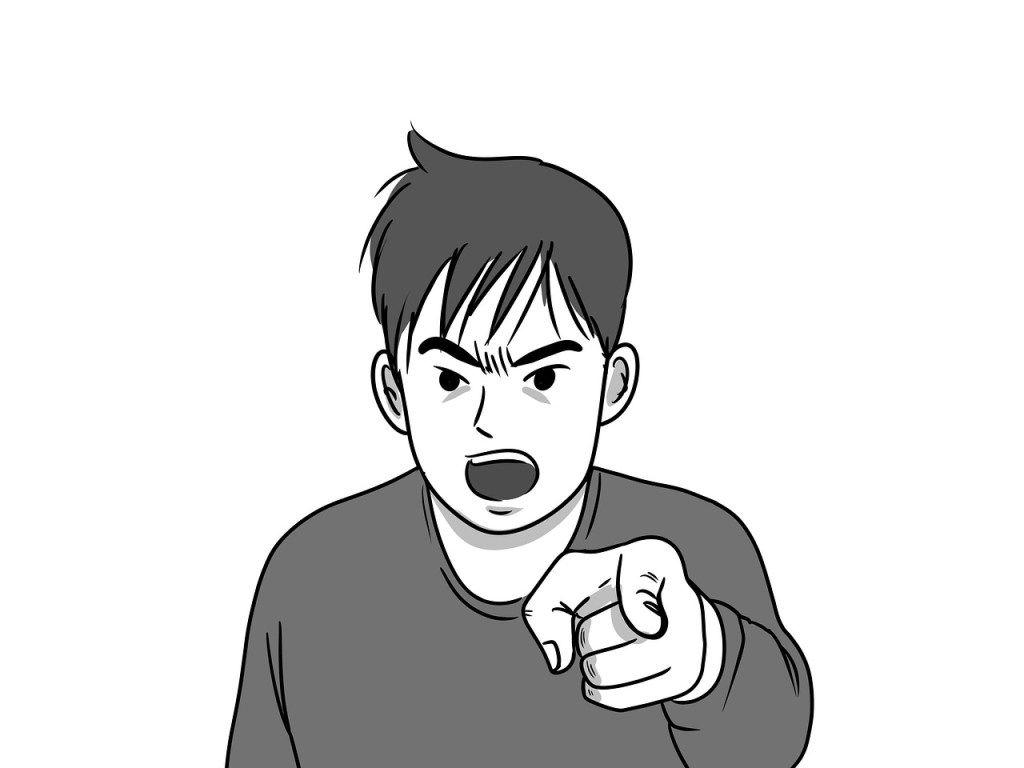
Sign 2: Every Concern You Raise Becomes About You
You bring up a concern.
Within minutes, the conversation shifts toward your personality, tone, or past mistakes.
For example:
You say:
“I felt hurt when you canceled.”
He responds:
“You’re always too sensitive.”
Now the issue is no longer the cancellation.
It’s your emotional makeup.
This redirection prevents resolution and reinforces one-sided responsibility.
Sign 3: He Justifies Behavior Instead of Reflecting on It
When confronted, blame shifting often shows up as justification.
Instead of:
“I shouldn’t have spoken like that.”
You hear:
“I wouldn’t have said that if you hadn’t…”
Responsibility becomes conditional.
You are expected to behave perfectly in order for him to behave reasonably.
That is not mutual accountability.
That is emotional outsourcing.
Sign 4: He Accuses You of What He Does
Projection is frequently intertwined with blame shifting.
If your husband regularly accuses you of:
- Being defensive
- Being critical
- Being selfish
- Not listening
While demonstrating those behaviors himself, projection may be occurring.
Projection reduces internal discomfort by assigning unwanted traits to someone else.
If you often find yourself wondering whether you’re actually at fault, you may relate to why does my husband blame me even when it’s not my fault, where I explain this dynamic in more depth.
Recognition restores clarity.
Sign 5: You Feel Confused After Arguments
One of the strongest indicators of blame shifting is emotional confusion.
You begin a conversation clear about your concern.
You end it doubting your perception.
You may replay the interaction thinking:
“How did that become my fault?”
Healthy disagreements create clarity.
Blame shifting creates fog.
If confusion becomes chronic, the pattern is worth examining.
Sign 6: You Walk on Eggshells
Do you:
- Monitor your tone excessively?
- Avoid certain topics to prevent backlash?
- Rehearse conversations mentally before speaking?
- Edit yourself to avoid triggering blame?
Walking on eggshells is often a response to repeated redirection of responsibility.
Over time, you adapt by minimizing your expression.
This may reduce immediate conflict — but it increases long-term resentment.
Sign 7: He Uses Absolutes Like “Always” and “Never”
Blame shifting often relies on exaggeration.
“You always do this.”
“You never support me.”
“You ruin everything.”
Absolute language simplifies complex situations into permanent character flaws.
When language becomes extreme, nuance disappears.
Without nuance, shared responsibility becomes impossible.
Sign 8: Accountability Feels One-Sided
In balanced relationships:
Both partners adjust.
Both partners reflect.
Both partners apologize.
In blame-shifting dynamics:
You adjust.
You reflect.
You apologize.
If responsibility consistently flows in one direction, imbalance becomes structural rather than situational.
Why Blame Shifting Develops
Blame shifting is rarely about cruelty.
More often, it develops from:
- Shame intolerance
- Emotional immaturity
- Fear of inadequacy
- Learned communication patterns
- Stress overload
When someone struggles to tolerate internal discomfort, redirecting blame provides temporary relief.
However, temporary relief for one partner often creates long-term instability for the other.
Understanding the origin can help you respond calmly — but it does not require you to absorb the consequences.
The Emotional Cost of Chronic Blame Shifting
When blame shifting becomes repetitive, the emotional toll builds quietly.
You may experience:
- Self-doubt
- Reduced confidence
- Emotional withdrawal
- Growing resentment
- Loss of relational safety
Over time, you may stop expressing concerns entirely.
Silence can feel safer than distortion.
However, silence prevents intimacy.
Is It Blame Shifting — or Am I Actually Responsible?
This question matters.
In every marriage, both partners contribute at times.
The difference lies in proportion.
Ask yourself:
- Does he ever take responsibility independently?
- Or do conversations repeatedly end with you apologizing?
- Is accountability shared — or assigned?
Shared responsibility feels balanced.
Blame shifting feels heavy and repetitive.
If the weight consistently lands on you, the pattern deserves attention.
What to Do If You Recognize These Signs Your Husband Is Blame Shifting in Marriage
Recognition is the first step.
You do not need to explode.
You do not need to collapse.
You need structure.
If you notice these patterns:
- Observe before reacting.
- Refuse total responsibility calmly.
- Avoid counter-blame.
- Strengthen emotional regulation.
- Set boundaries during calm moments.
If you want practical scripts and step-by-step response strategies, I explain that fully in how to respond when your husband blames you for everything.
Pattern awareness combined with steady response can shift dynamics over time.
When Blame Shifting Signals a Deeper Issue
If conversations begin to include:
- Reality distortion
- Frequent rewriting of events
- Emotional intimidation
- Heightened confusion
The issue may extend beyond ordinary defensiveness.
At that point, structured support can help you evaluate:
- Whether accountability is possible
- Whether boundaries are sufficient
- Whether relational repair is realistic
- Whether deeper intervention is necessary
Not every pattern resolves through patience alone.
Clarity matters.
How Blame Shifting Slowly Changes a Marriage
Blame shifting rarely damages a marriage overnight.
Instead, it slowly reshapes the emotional atmosphere of the relationship.
At first, the pattern may appear small. A disagreement turns into an accusation. A mistake is redirected back toward you. A conversation ends with you apologizing even though the issue was shared.
Over time, however, the impact compounds.
You may begin to question your own perception. Situations that once felt clear become confusing. Instead of expressing concerns openly, you may start rehearsing conversations in your head before speaking.
Many women describe this stage as “walking on eggshells.” They monitor tone, timing, and wording carefully in order to avoid triggering another blame cycle.
Eventually, emotional energy shifts away from connection and toward self-protection.
Instead of thinking:
“How can we solve this together?”
The thought becomes:
“How do I avoid being blamed again?”
This shift is subtle but powerful. It reduces honesty, increases emotional distance, and makes ordinary disagreements feel heavier than they should.
Recognizing blame shifting early allows you to restore balance before resentment becomes deeply rooted.
Awareness does not mean blaming your husband in return. It simply means acknowledging when responsibility has become uneven so healthier communication patterns can begin to develop.
Final Perspective on Signs Your Husband Is Blame Shifting in Marriage
Blame shifting in marriage is not always loud.
Sometimes it appears subtle:
Redirection.
Minimization.
Conditional apologies.
Chronic defensiveness.
If you recognize multiple signs, trust your perception.
Healthy marriage includes accountability.
If responsibility consistently flows in only one direction, that is not partnership — that is avoidance.
Clarity is not aggression.
Awareness is not disloyalty.
Boundaries are not disrespect.
They are necessary for emotional balance.
If You Want Help Assessing Your Situation
If you’re unsure whether you’re experiencing normal conflict or structured blame shifting, relationship coaching can help you:
- Identify the pattern clearly
- Strengthen boundaries
- Respond without escalating
- Restore emotional steadiness
- Rebalance accountability
You do not have to navigate this alone.
If you’d like clarity about your specific situation, you can book a clarity call and we can look at the dynamics together.